Mood: A Good Wobble | Post Type: Behind the Scenes | Weeks Until Show: 19
The Less Visible Side
This week, I’ve been thinking about something less visible — but something that requires a huge amount of faith when putting yourself out there to not only want, but actually commit to, a solo show.
I didn’t go into this blindly. I’d listened to enough creative podcasts to know that at some point there would be fear, self-doubt, and a few wobbles along the way. But it’s very different when you’re actually in it — when that quiet voice starts asking, “why are you doing this to yourself?”
The Inevitable Wobble
If you’ve read my previous blogs or follow me on Instagram, you’ll know I tend to have a positive outlook. That doesn’t mean I only share the highlights — if anything, I’d describe myself as a realist. But these blogs have become a space where I can be a little more open, a little more honest (even if the word authentic is slightly overused these days).
So how did I get into this particular wobble? Money.
The Reality Check: Money
A solo show is an investment — especially a self-funded one. There’s the cost of hiring the gallery, materials, framing… and a steady stream of outgoings that don’t bring any immediate return. Without a certain level of belief and perseverance, those ongoing costs could very easily stop you in your tracks.
I’d describe this as a wobble, not a derailment. But it’s real — and worth sharing. If you’re on a similar path, you might recognise it. And if you’re thinking about embarking on something like this, it’s helpful to know these moments can come along.
The Upfront Costs
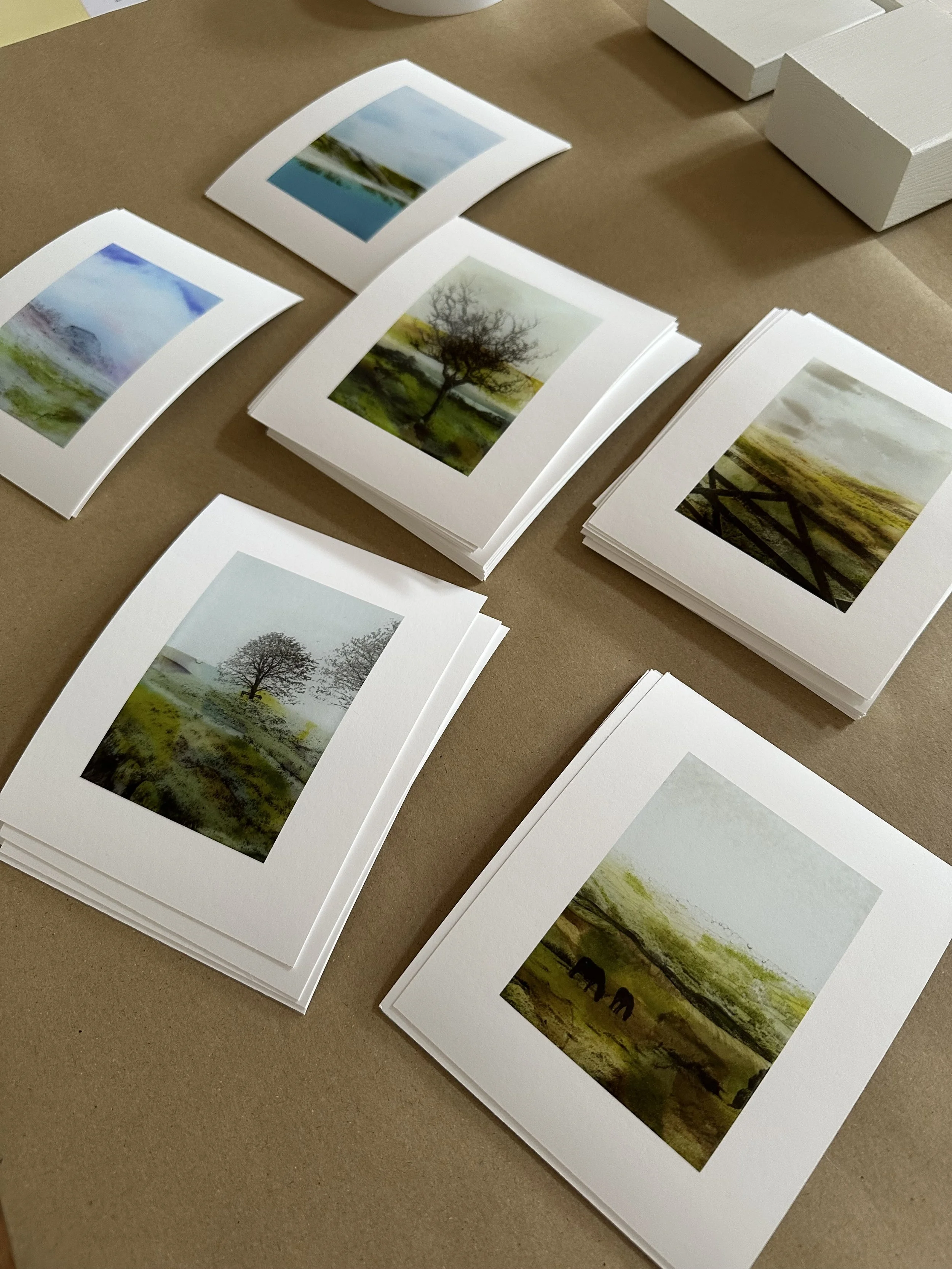
Recently, it’s been brought into focus by a few specific outlays. £150 on fine art prints — necessary, but with no instant return. Four frames at £164 — and that’s something I’ll likely need to continue monthly just to spread the cost. Yes, I could choose cheaper, off-the-shelf options, but I use specialist glass with minimal reflection so nothing competes with the artwork. It’s part of the overall aesthetic — not just branding, but how I want the work to be experienced.
I’ve also chosen to keep a consistent 4:3 format across my frames. It works beautifully for sizes like 8x6", 9x12", and 12x16". But 10x8" doesn’t fit that ratio, which means opting for bespoke 10x7.5" frames instead. Again, a decision that adds cost, but maintains a cohesive feel.
Scaling Up
Then there’s the glass itself. As I begin working larger, the costs increase significantly. I currently buy sheets at 20x25cm, which fit neatly into my storage system. The next size up — 51x43cm — brings added considerations: delivery risks, storage challenges, and the pressure of making a clean cut first time.
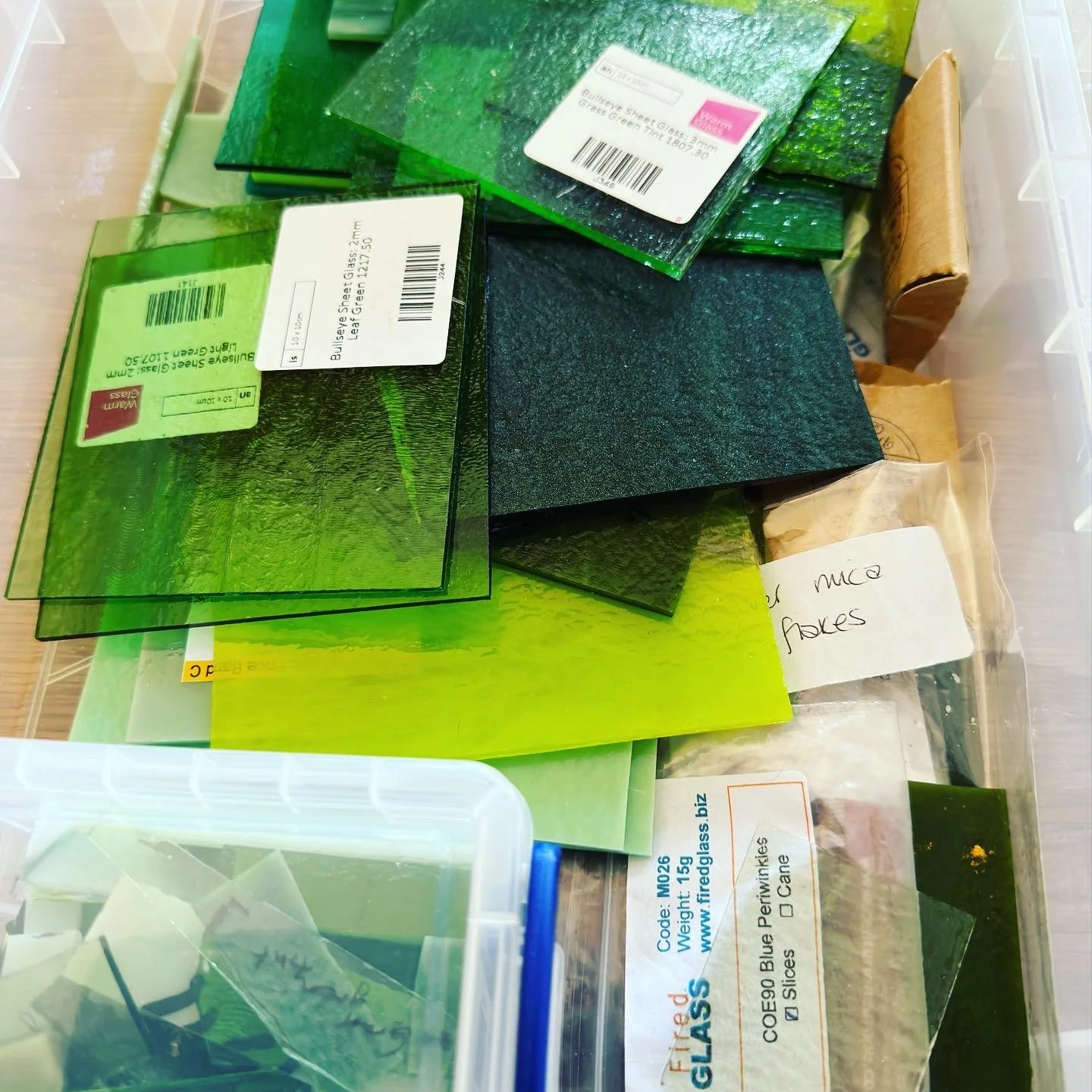
Even with a discounted price of £10.28 per sheet (excluding pink and purples - nearer £24), when that only yields one larger layer rather than two, it does make you pause. Recently, I mapped out exactly what I could get from a single sheet — one larger landscape layer (12×9”), one for a smaller framed piece (10×7.5”), plus some additional strips for pendants and detail layers. And still… I’m not entirely sure how I feel about that. Is it good value? Or not quite? The jury’s still out.
Alongside this, there are events — fewer this year, but still a commitment — and galleries refreshing displays for a more summery feel, which means producing new work to match. All positive opportunities, but all adding to the demand.
The Pricing Shift
And then there’s pricing.
Something I’ve resisted for a while, but with the cost of silver increasing by around 80% since I started making my own bails, it’s no longer something I can absorb. When gallery commission sits between 35% and 50%, the margins become very tight.
For example, I now spend around £14 on silver per pendant. That means I need to make £28 just to cover that one material — before even considering the glass, packaging, multiple firings, fuel, or time.
So, from 1st May, my pendant prices will be increasing. And I suspect my prints may need to follow.
When working out pricing for my framed pieces with my glass mentor, we also came to the conclusion that at those levels, placing them in galleries would result in a loss — which then becomes a risk in itself if the work doesn’t sell.
Reframing the Investment
And so, after this little reality check, I come back full circle.
This is part of building a practice. It’s growth, visibility, and a huge amount of learning that only comes from putting yourself out there. In my other professional role, we invest heavily in development — courses, accreditations, further study — often without questioning the cost. A three-day course might be expensive, but the real value comes from applying it over time. So if someone had said to me two years ago, “I can get you to this point for £4,000,” would I have seen that as a negative? Probably not. With a payment plan, I’d likely have said yes. I’ve always valued learning. And perhaps that’s the mindset shift I needed — one that writing this has helped bring into focus.
Whether this solo show is “successful” — and how I choose to define that — is something I’m sure I’ll reflect on in another blog. But for now, this is my choice.
And it’s a journey I’m continuing.
This is Episode 20 in my ‘Solo Show Diary’ series — a behind-the-scenes look at how my work develops. You can find my earlier posts here.