
Mood: Constantly Curious | Post Type: Behind the Scenes | Weeks Until Show: 25
Why I Have a Mentor (Even Though I Teach Mentoring)
In my other professional hat, I actually teach mentoring. It’s something I spend a lot of time doing — helping people understand how mentoring works and how powerful it can be when someone with more experience supports another person’s learning and development. So I absolutely know the benefits. Which is exactly why I decided I needed a mentor myself. Even if you understand mentoring inside out, it’s a very different experience when you’re the one bringing the questions.
The Moment I Realised I Needed One
I knew I wanted to start creating larger wall pieces, moving beyond my pendants and scaling up my work. But once you start thinking bigger with glass, a whole world of technical hurdles suddenly appears. Scaling up glass work isn’t simply about making things bigger. Kiln space, firing schedules, structural integrity, materials, finishing… the list quickly grows.
I had already attended one of Catherine Dunstan’s wonderful courses - Creative and Professional Development for Glass Fusers, and it was there that something clicked. It wasn’t just the technical expertise I could learn from, it was the business side of being a glass artist too. And the real value of mentoring is having a sounding board to unpack ideas with someone who has already walked the path you're exploring.
How My Mentoring Actually Works
My mentoring sessions are ad-hoc rather than regular. I’m someone who is generally comfortable setting goals for myself. I don't necessarily need a mentor purely for accountability (though like many people, that can be a useful driver). What I really value is the space to think things through with someone experienced. That said, my mentor is very good at planting seeds. Small ideas that quietly grow into something bigger after the session. Because I tend to gather quite a few questions before we meet, I have a slightly unusual way of preparing.
In my sketchbook I write my mentor’s name in the middle of the page, and then whenever a question, challenge or random glass thought pops into my head, I add it to the page like a mind map. Over time the page fills up with technical puzzles, business ideas and the occasional “what on earth do I do with this?” moments. When the session approaches, I turn that mind map into actual notes and send them a few days beforehand.
Why I Need Notes (Lots of Them)
Every mentee works differently. Some people are happy to see where the conversation goes, especially if they’re focusing on a single project. That works brilliantly in the right situation. But I tend to arrive with quite a wide mix of questions, and if we didn’t structure it slightly, the hour would disappear very quickly.
There’s also the small matter of my neurodiverse brain, which absolutely loves a tangent. Conversations can go anywhere. And sometimes my brain moves on before I’ve even finished the sentence I started. So notes help.
This time round, preparation time was tight, so I dictated my rambling thoughts into ChatGPT, asked it to refine them slightly, dropped everything into a Word document… and somehow produced six pages of notes. My mentor, Catherine, says mentees come with all sorts of approaches to sessions — and apparently, she quite enjoys my slightly over-prepared one.
The Most Random Agenda Ever (and facial expressions)
In our most recent session I had eight different areas I wanted to cover:
Adhesive options
Safety equipment
Kiln shelf issues
Cutting tools (especially thinking ahead to future workshops)
Glass powder control
What to do with surplus glass offcuts
Materials for surface decoration
Exhibition planning and product strategy
So yes… a slightly random assortment of topics. But that’s the reality of creative practice. You’re constantly juggling technical, creative and business questions all at once.
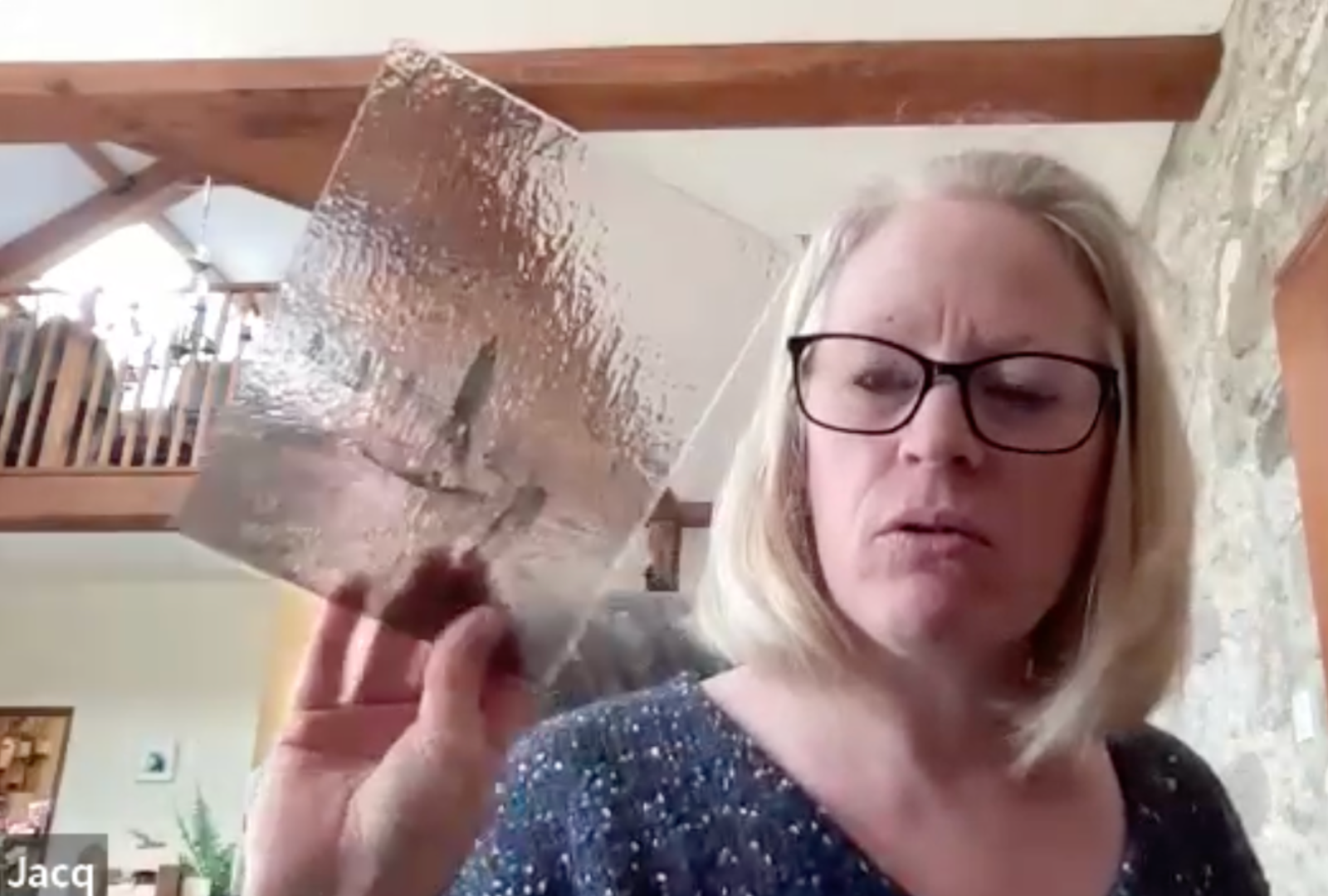
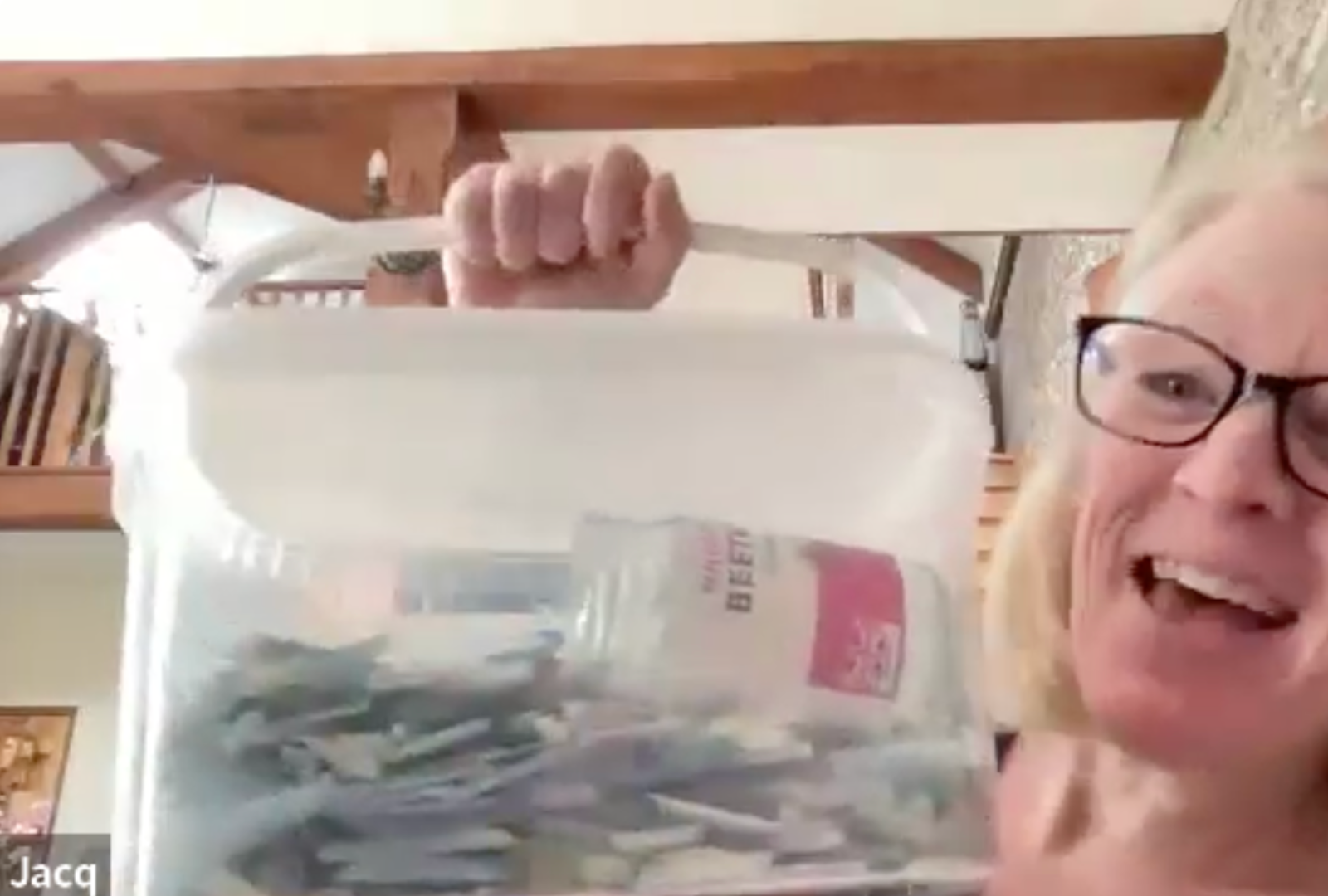
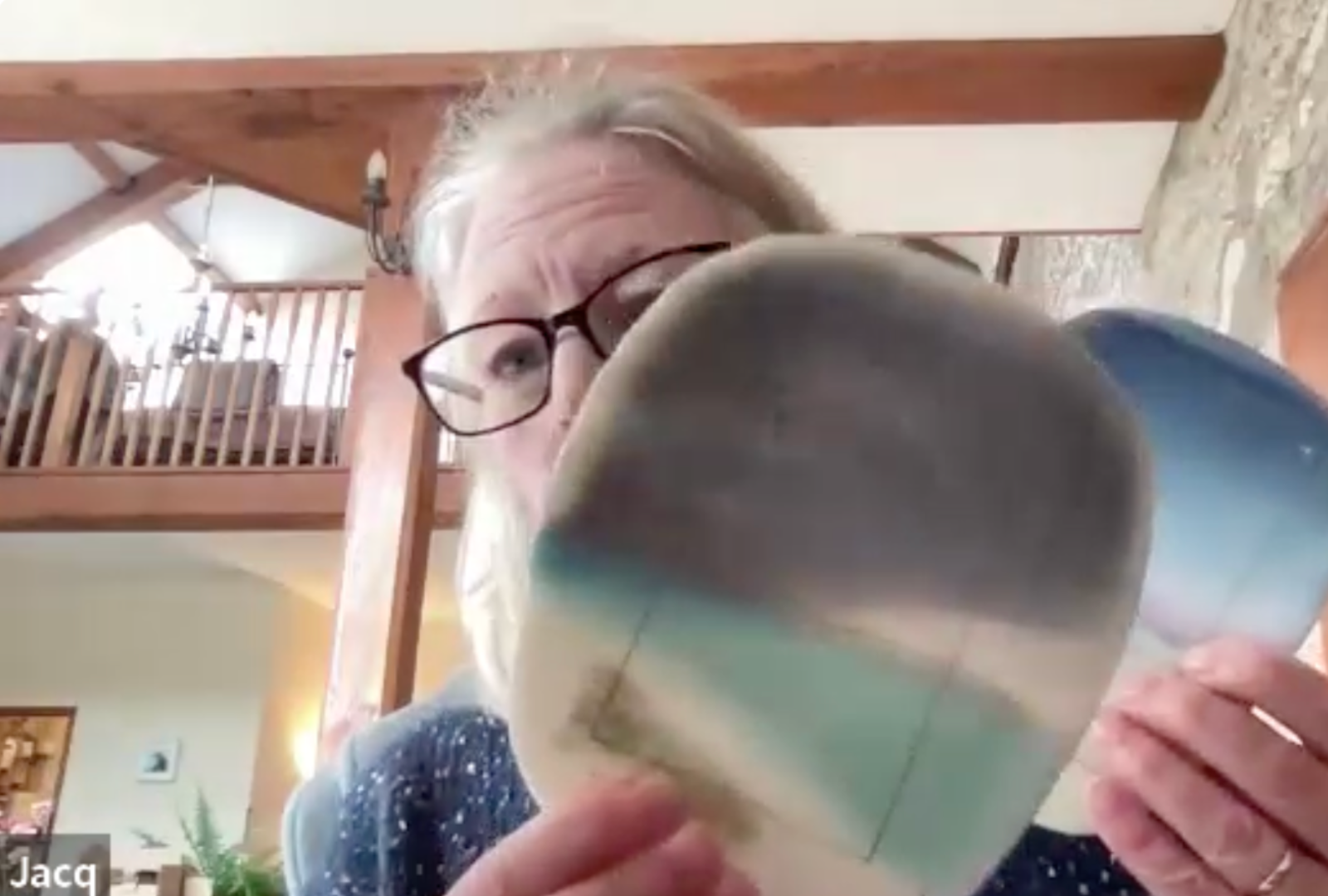
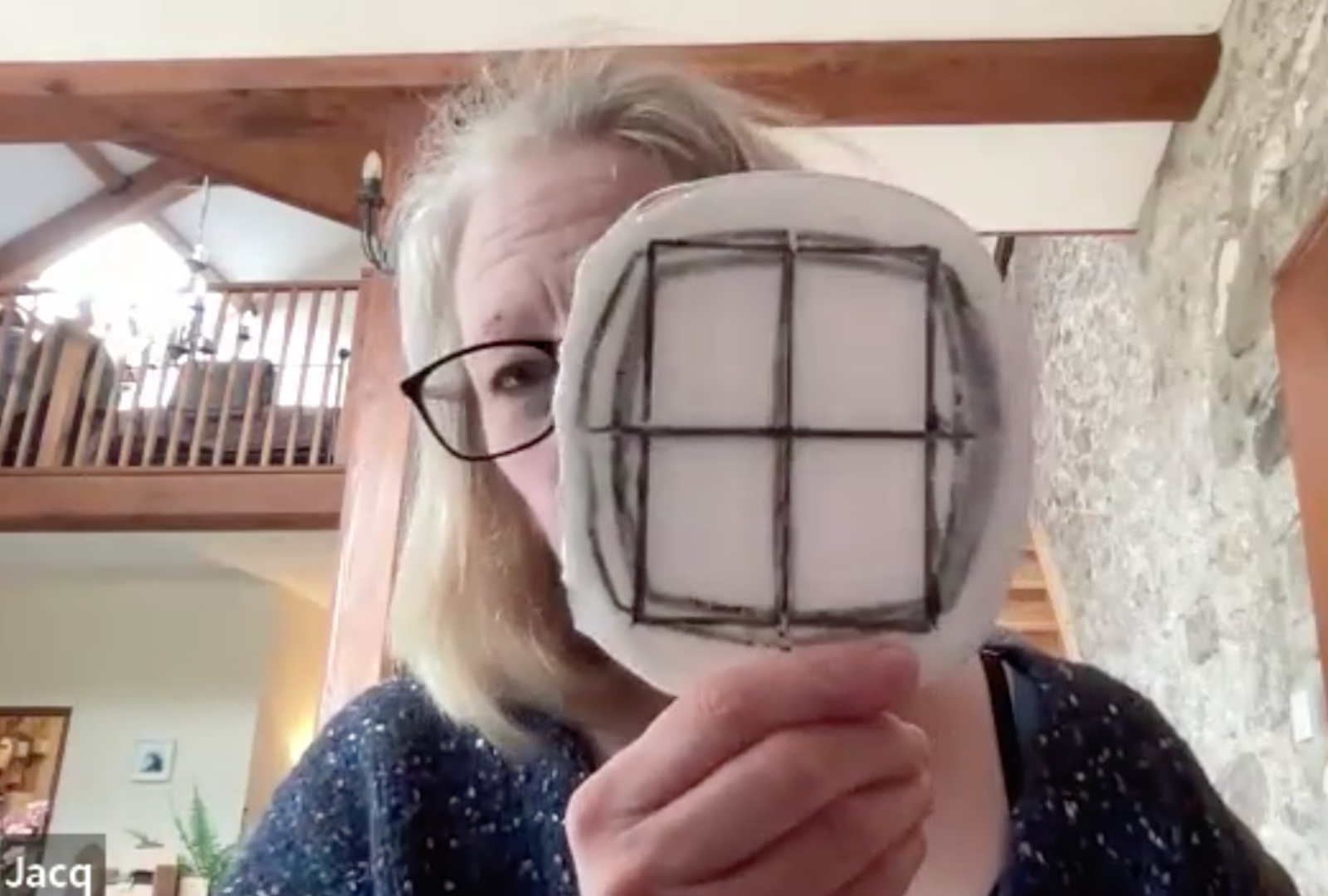
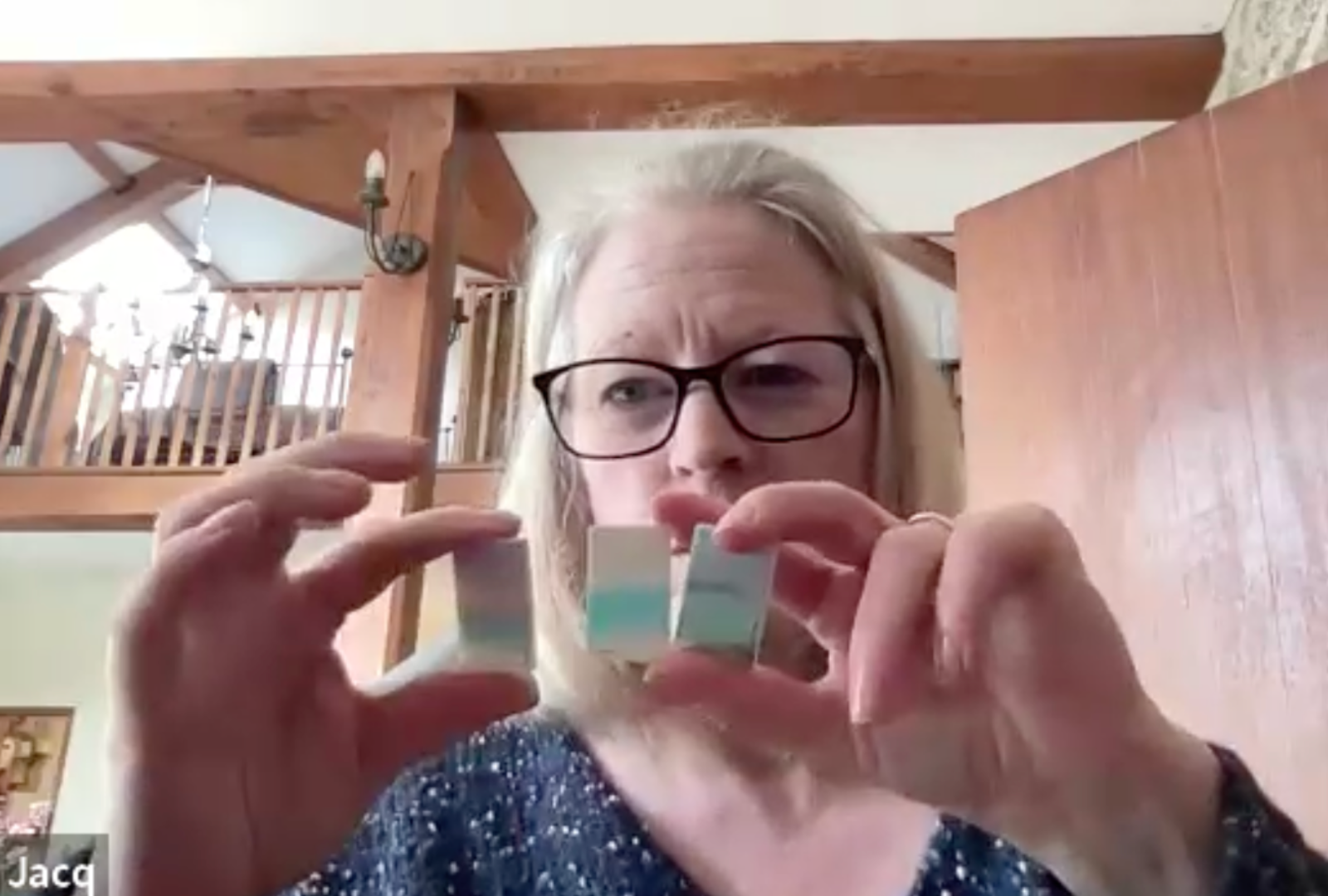
And let’s not forget the facial expressions.
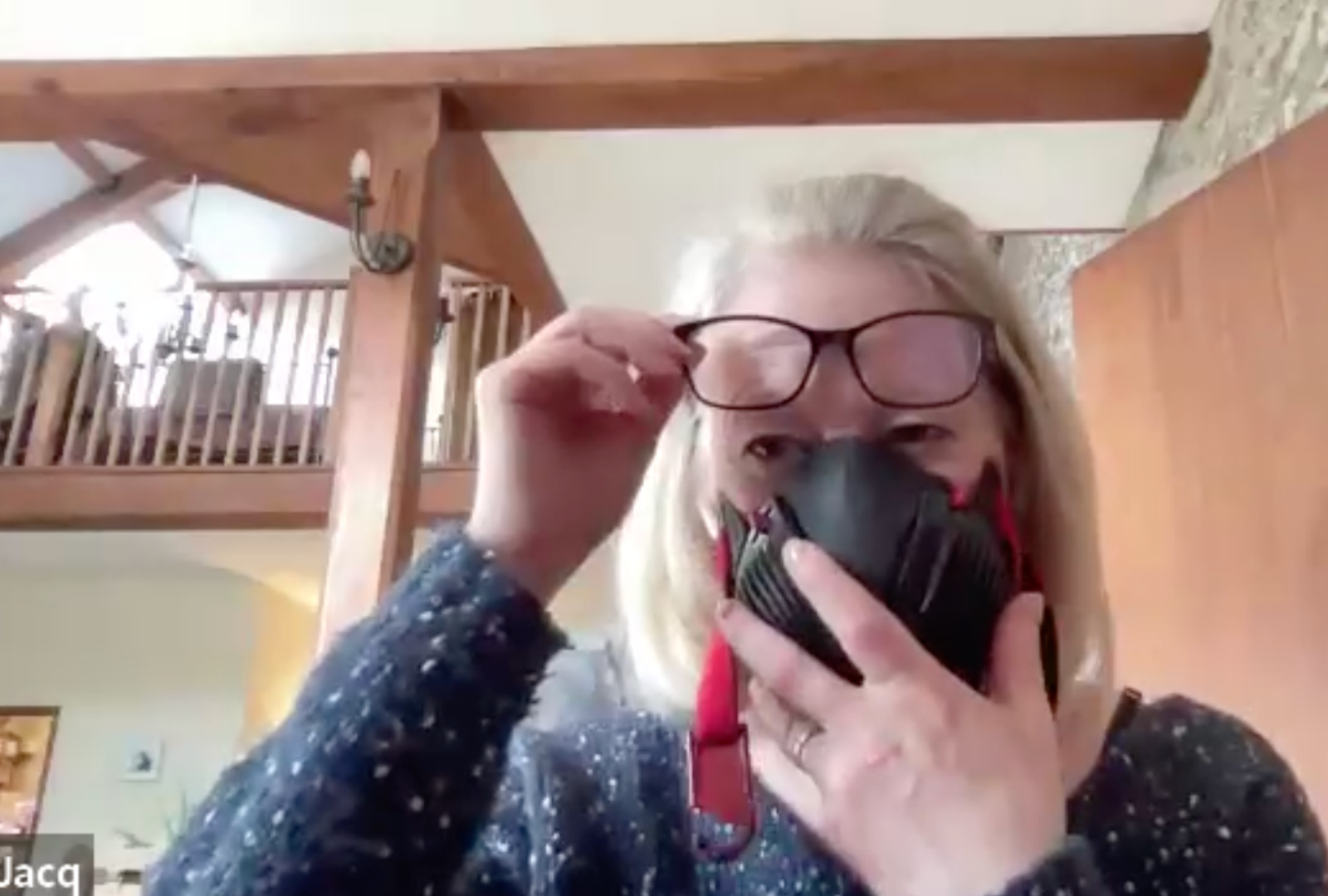
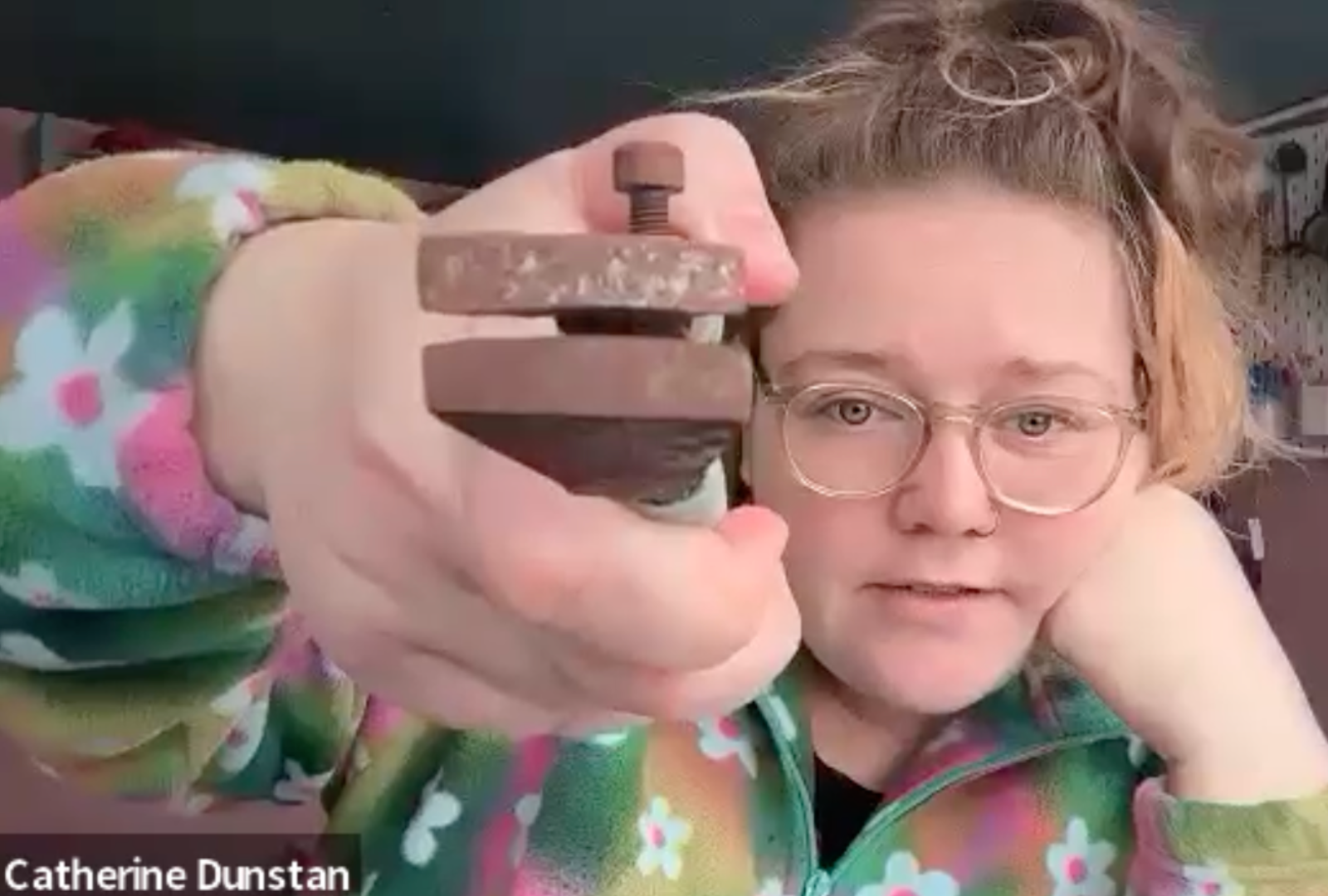
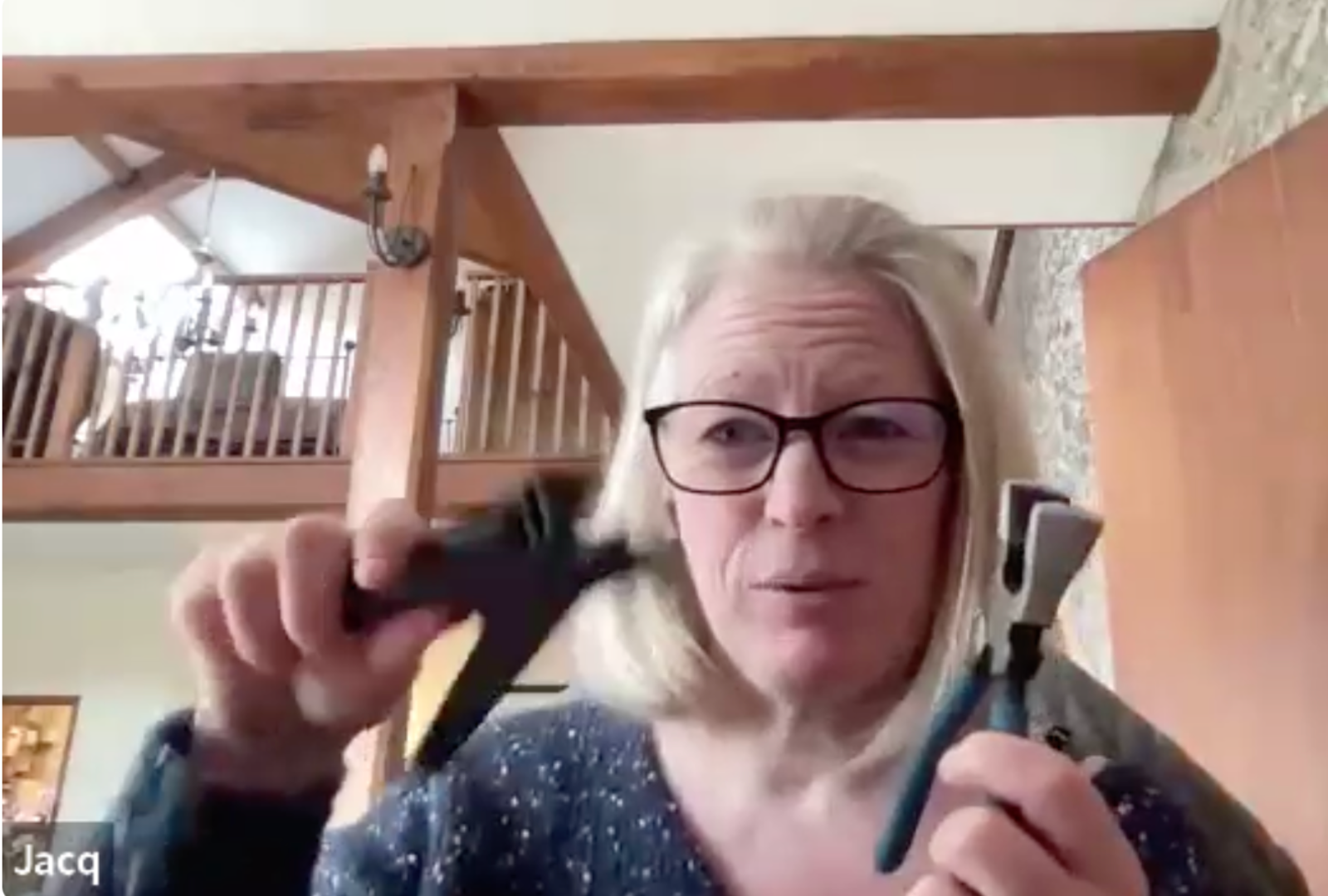
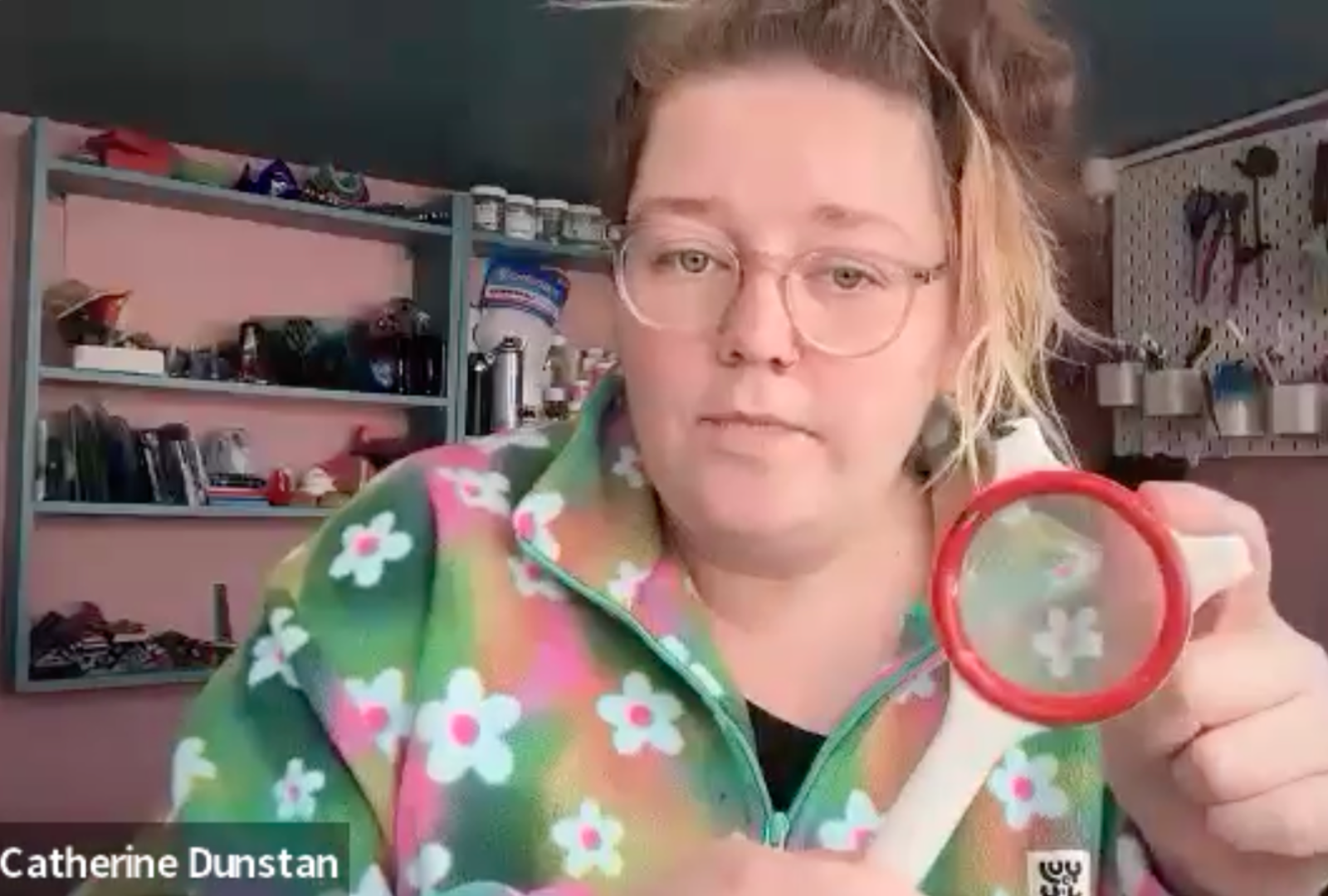
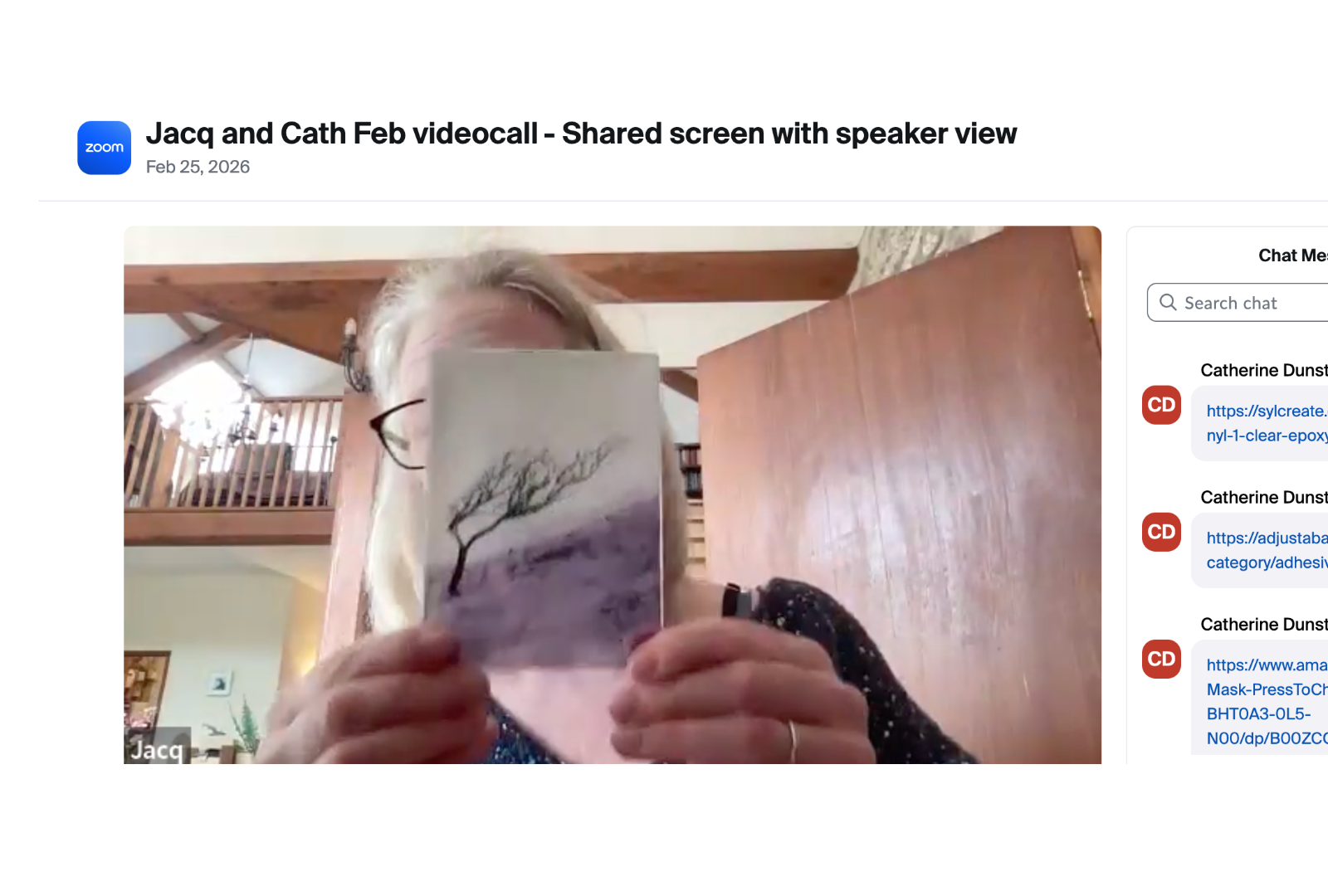
When I watched the recording back, I started taking screenshots. Every single image of Catherine showed her looking wonderfully serene and composed. Meanwhile, mine were… impressively expressive.
After several failed attempts to capture a version of myself looking remotely reasonable, I gave up. At some point you just have to accept that what you see is what you get. LOL.
The Logistics
Our sessions are an hour long and take place over Zoom, which works brilliantly. Being at home means I can grab tools, glass pieces or experiments and show them on camera. On this occasion I thought I might be away during the session, so I had already prepared a full “show and tell” list. As a result, my desk ended up covered in glass pieces and tools ready to hold up to the camera.
Why Mentoring Is Different From Any Other Resource
One thing I’m very aware of is that only mentoring can access expertise in this way. You can search endlessly online. You can read books. You can listen to podcasts. You can even ask AI questions. All of those are useful.
But none of them can replace lived experience. None of them have spent years solving the exact problems you’re now facing. That’s the real magic of mentoring. And it’s why these sessions feel incredibly valuable to me. I feel very fortunate that our paths crossed.
What’s Next
If Catherine has space, I think I’ll probably need two more sessions this year. They’ll likely focus on my solo show and developing my Christmas Tree workshops. But if experience tells me anything, a whole collection of other random questions will probably appear in my notebook before then!
If you’re interested in finding out more about Catherine Dunstan’s stunning glass art, her mentoring, or her workshops, you can visit her website here: www.catherinedunstanglass.co.uk
This is Episode 17 in my ‘Solo Show Diary’ series — a behind-the-scenes look at how my work develops. You can find my earlier posts here.